 St. Petersburg Roofing
 Storm Damage Roof Repair Built for Euclid-St. Paul
Euclid-St. Paul sits in one of St. Petersburg's older, tree-lined pockets, which means a lot of the roofs here have to deal with two things at once: mature tree canopy dropping limbs and debris during storms, and the same relentless Gulf Coast weather cycle every other Pinellas County roof faces. When a summer squall or a tropical system rolls through, the damage often isn't a dramatic hole in the roof — it's a lifted shingle edge, a cracked pipe boot, or a seam that let water in during wind-driven rain. Left alone, those small problems turn into ceiling stains and rotted decking fast in Florida's humidity.
This page covers what storm damage repair actually looks like for homes in this neighborhood, what a correct repair involves, and why it matters to work with a crew that's already familiar with the area's roof types and permitting requirements.
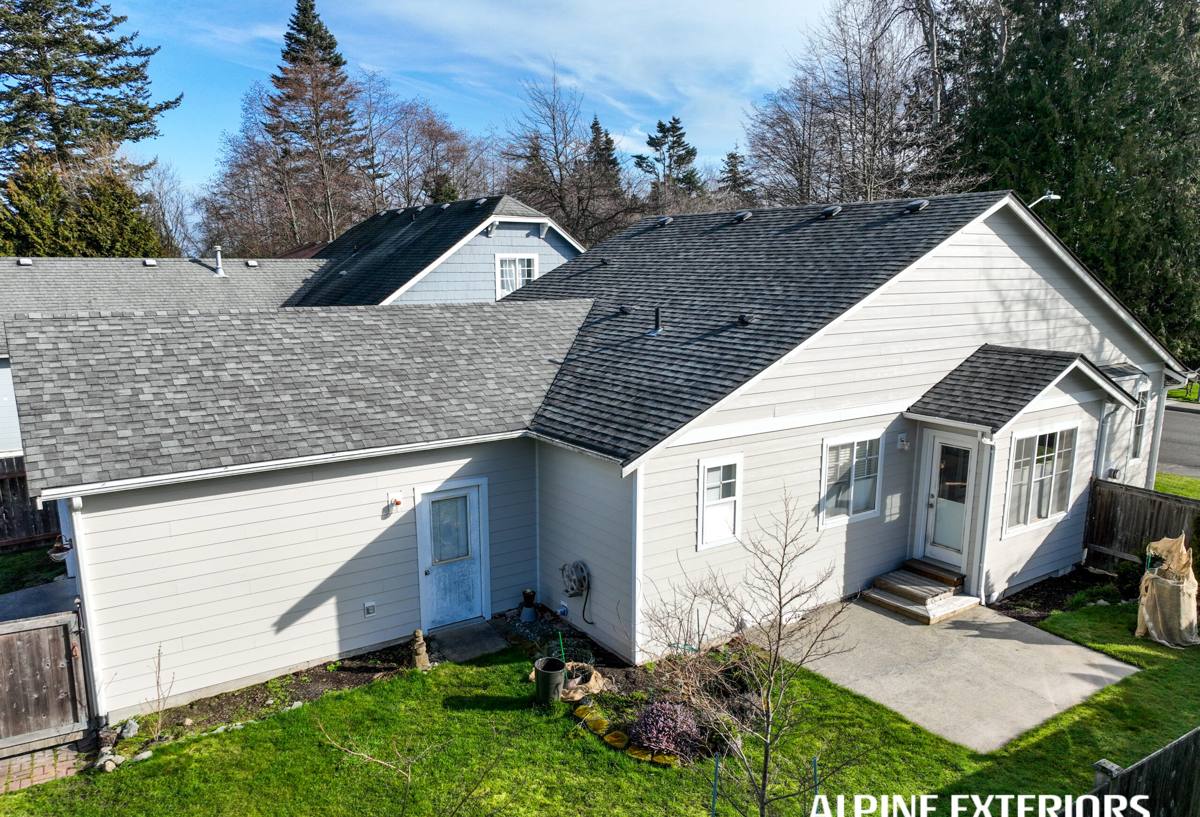
What Storm Damage Really Does to a St. Petersburg Roof
Not all storm damage looks like storm damage. Hurricane-force wind gusts don't need to tear a roof apart to cause a leak — they just need to work one edge loose. Combine that with intense year-round UV exposure that dries out shingle asphalt and roofing cement, plus salt air drifting in off the bay, and you get materials that are more brittle and more prone to cracking under stress than the same products would be inland.
Common damage patterns after wind and rain events
- Lifted or creased shingles along ridges, hips, and roof edges where wind uplift is strongest
- Cracked or displaced pipe boots and vent flashing, a frequent source of slow leaks
- Granule loss on older shingles, accelerated by UV and salt air, leaving the mat exposed
- Debris impact damage from branches or wind-blown material, especially under tree cover
- Compromised sealant at flashing points around chimneys, skylights, and wall intersections
- Water intrusion at valleys where wind-driven rain pushes moisture uphill under the shingle line
The tricky part is that most of these show up as small, easy-to-miss signs from the ground. A roof can look fine from the driveway and still be actively letting water into the attic.
Why Wind-Driven Rain Is the Real Threat, Not Just Wind Speed
Homeowners tend to focus on wind speed numbers, but wind-driven rain is what actually gets inside a house. When rain is being pushed sideways or even slightly upward by strong gusts, it can work its way under shingle laps, through poorly sealed flashing, and into fastener holes that would never leak in a normal vertical rain. This is why a roof that "survived" a storm without visible shingle loss can still develop interior leaks days or weeks later, once water that got trapped in the decking finally works its way through.
For Euclid-St. Paul homes, this matters because many properties have mature landscaping and older roof penetrations — plumbing stacks, attic vents, older skylights — that were sealed years ago and are due for inspection regardless of storm activity. A storm just accelerates the timeline on wear that was already there.
What a Correct Storm Repair Actually Involves
A proper storm damage repair isn't just replacing the shingles you can see are missing. It starts with tracing the water, not just patching the surface.
Our repair process
- Roof and attic inspection. We check the roof surface and, where accessible, the attic side for water staining, wet insulation, or deck discoloration that points to the real entry point — which is often several feet from where a stain shows up on the ceiling.
- Documentation. We photograph and note the damage clearly, which is useful whether you're filing an insurance claim or just want a record of what was found and fixed.
- Deck assessment. If water has been getting in for a while, we check whether the plywood decking underneath is still sound or has started to soften. Repairing over rotted decking just hides the problem.
- Targeted repair. We replace damaged shingles, re-seal or replace flashing and pipe boots, and re-secure any lifted material — matching materials as closely as possible to what's already on the roof.
- Water testing where needed. On leaks that are hard to pin down, we test with water on the suspected area to confirm the fix holds before calling the job done.
Repair vs. Full Replacement: How We Decide
Not every storm-damaged roof needs to be replaced, and we don't default to recommending replacement just because a roof took some damage. The honest answer depends on the roof's age, how widespread the damage is, and whether the underlying decking is still in good shape.
| Factor | Leans Toward Repair | Leans Toward Replacement |
|---|---|---|
| Roof age | Under 12-15 years, shingles still flexible | Near or past expected service life |
| Extent of damage | Isolated area, few shingles or one flashing point | Widespread lifting, cracking, or granule loss across the roof |
| Decking condition | Dry, solid plywood under the damage | Soft or delaminated decking in multiple spots |
| Shingle match availability | Matching shingles still available or close match possible | Discontinued product, patch would be visibly mismatched |
| Prior repair history | First significant repair on this roof | Repeated patch jobs already on record |
If a roof genuinely needs replacement, we'll tell you that plainly and explain why — but plenty of storm damage in this neighborhood is a legitimate, localized repair, not a reason to replace an otherwise healthy roof.
Salt Air, UV, and Why Materials Matter in the Repair
Repairs closer to the coast have to account for accelerated wear from salt air and constant UV exposure. Roofing cement and sealants that would last well inland can dry out and crack faster here. When we do a repair, we use products rated for this kind of exposure and pay attention to fastener corrosion resistance, especially around metal flashing and vent components. A repair that isn't built for this climate is a repair you'll be paying for again in a year or two.
What to check before hiring anyone for storm repair
- Are they licensed and insured to work in Pinellas County, and will they show you proof without being asked twice?
- Do they pull the required permit for the scope of work, rather than trying to skip it?
- Will they inspect the attic side, not just walk the roof surface and call it done?
- Do they explain what they found in plain language, with photos, before starting work?
- Are they using materials rated for coastal UV and salt exposure, not just whatever's cheapest?
- Do they give you a written scope of work, not just a verbal estimate?
Insurance Claims and Storm Repairs
When storm damage is significant enough to involve your homeowner's insurance, documentation is everything. Adjusters need to see clear evidence of storm-caused damage versus pre-existing wear, which is why we document conditions before we touch anything. We're not a public adjuster and we don't handle the claim itself, but we can provide the inspection findings and photos you'll need to support your claim, and we're happy to walk an adjuster through what we found on the roof if that's helpful to your process.
Why Local Experience in Euclid-St. Paul Matters
Roofing crews that regularly work a specific neighborhood pick up on things that outside contractors miss — the mix of roof ages common to the area, how tree canopy affects debris and drainage patterns, and which permitting steps the City of St. Petersburg requires for repair work versus full replacement. That familiarity translates into faster, more accurate diagnosis and fewer surprises once work is underway. It also means we're not guessing at how a Florida summer storm cycle affects a roof — we're accounting for it as a baseline, not an exception.
Pinellas County's exposure to hurricane season, combined with the year-round UV and humidity most of the country doesn't deal with, means roof maintenance here isn't optional the way it might be elsewhere. A repair done right the first time, with materials suited to this climate, is what keeps a small storm issue from becoming a much bigger and more expensive one.
Get a Free, No-Pressure Estimate
If a recent storm has you wondering whether your roof needs attention, we're glad to take a look. There's no cost and no pressure to move forward — just an honest read on what's going on and what, if anything, needs to be done about it. Use the form below to request your free estimate.