 St. Petersburg Roofing
 Windows Built for a Waterfront Neighborhood
Shore Acres sits close to Tampa Bay, and that proximity to open water shapes almost every decision that goes into a good window installation here. Homes in this part of St. Petersburg deal with a combination of conditions that inland Pinellas County properties simply don't see to the same degree: near-constant humidity, salt-laden air drifting off the bay, intense subtropical sun for most of the year, and the real possibility of hurricane-force wind and wind-driven rain during storm season. Windows that aren't specified and installed with those realities in mind tend to show problems early — fogging between panes, corroding hardware, swollen frames, or water finding its way in around the edges.
We've worked on homes throughout Shore Acres and understand the neighborhood's mix of housing stock, from older single-story homes to renovated and elevated properties. This page focuses on one thing: what it actually takes to install windows correctly on a home in this specific area, and why the installation matters as much as the window itself.
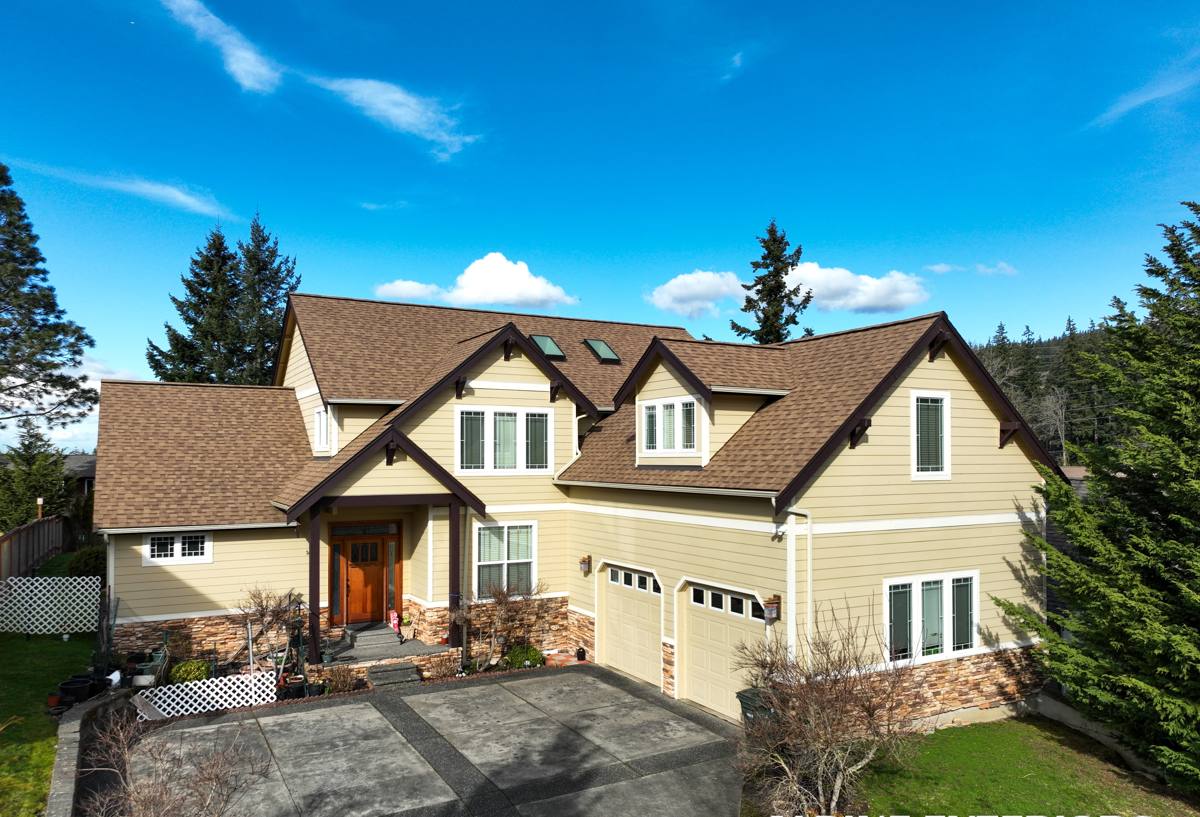
What Shore Acres' Climate Does to Windows Over Time
Salt Air and Corrosion
Being close to Tampa Bay means airborne salt is a daily fact of life, not an occasional storm event. Salt accelerates corrosion on anything metal — window frames, screws, hinges, and hardware — faster than it would just a few miles further inland. Cheap fasteners or unprotected aluminum components can start showing pitting and staining well before the glass or frame itself has any issues. This is why hardware selection and flashing details matter as much as the window brand you choose.
UV Exposure Year-Round
Florida sun is intense for most of the calendar year, and that constant UV load breaks down cheap vinyl, degrades seals, and fades interior finishes near windows that aren't properly glazed. Low-E coatings and quality frame materials resist this far better than budget-grade products, and the difference shows up in how the window looks and performs after five or ten summers, not just on day one.
Wind-Driven Rain and Storm Pressure
During tropical storms and hurricanes, wind doesn't just push against a window — it drives rain sideways and creates pressure differentials that can pull a poorly sealed window right off its rough opening. Pinellas County's building code requires wind-rated products in most of St. Petersburg, and Shore Acres' exposure to the bay means we don't cut corners on this even when a specific job might technically allow it. Correct installation is what makes a wind-rated window actually perform like one during a real storm — the rating on the product label means little if the flashing, anchoring, and sealant work underneath it is sloppy.
What a Correct Window Installation Actually Involves
A lot of window problems homeowners deal with years down the road didn't start with a bad window — they started with a rushed or incomplete installation. Here's what we consider non-negotiable steps on every job in this area.
Opening Inspection Before Anything Else
Before a new window goes in, we check the rough opening for rot, moisture damage, and structural soundness. In a coastal, humid climate like Shore Acres, it's not unusual to find hidden moisture damage around older window openings, especially on homes that have gone a few decades without a window replacement. Installing a beautiful new window into a compromised opening just hides the problem temporarily — it doesn't fix it.
Flashing and Water Management
Proper flashing directs any water that gets past the window's exterior seal back out and away from the wall assembly, rather than letting it soak into framing. This is one of the most commonly skipped steps on cut-rate installations, and it's also one of the most consequential to skip in a wind-driven rain climate. We flash every opening according to manufacturer specifications and Florida Building Code requirements, not just "however it's always been done."
Sealant and Fastening
Marine-grade or corrosion-resistant fasteners matter in a salt-air environment like this one. We also use sealants rated for exterior, UV, and coastal exposure — not standard interior-grade caulk that will crack and fail within a year or two of sun exposure.
Interior and Exterior Finish Work
The visible trim, casing, and sealing on both sides of the window get finished so the installation looks clean and performs as a complete system, not just a window dropped into a hole.
Our Process for a Shore Acres Window Installation
- Free on-site assessment: We look at your existing windows, openings, and any signs of past water intrusion or wind damage before recommending anything.
- Product selection based on exposure: Homes closer to the water or with more direct wind exposure may need a higher wind-load rating or additional impact resistance than a home a few blocks further inland. We walk you through what's actually appropriate for your specific property.
- Accurate measurement and ordering: Windows are measured precisely for the actual opening, not a generic size, to avoid gaps that require excessive shimming or sealant to compensate for.
- Removal and opening prep: Old windows come out carefully, and we address any rot, corrosion, or structural issues found in the opening before the new unit goes in.
- Installation with proper flashing and anchoring: Following manufacturer instructions and current Florida Building Code requirements for Pinellas County's wind zone.
- Sealing, trim, and cleanup: Interior and exterior finish work, plus a full site cleanup before we consider the job done.
- Final walkthrough: We go over the finished work with you and answer any questions about care, warranty, and maintenance.
Choosing the Right Window Type for This Area
Not every window product is a good fit for a coastal, storm-exposed neighborhood. The table below compares common frame material options on the factors that matter most in Shore Acres' climate — not as a ranking of "best to worst" in general, but as a guide to trade-offs.
| Frame Material | Salt Air / Corrosion Resistance | UV / Fade Resistance | Maintenance |
|---|---|---|---|
| Vinyl (quality-grade) | Good — won't corrode | Good with UV-stabilized formulations | Low |
| Aluminum (coated/anodized) | Fair to good depending on coating; needs monitoring near the bay | Good | Moderate — watch for coating wear |
| Fiberglass | Very good | Very good, minimal expansion/contraction | Low |
| Wood (clad or unclad) | Poor unless well-clad and maintained | Fair — interior finishes can fade or dry out | High |
We don't install every option on this list on every home. For most Shore Acres properties, we steer homeowners toward vinyl or fiberglass products specifically because of how much lower the long-term maintenance burden is in a salt-air, high-UV environment. Unclad wood in particular requires a level of ongoing upkeep — refinishing, resealing, moisture monitoring — that most homeowners don't want to sign up for this close to the bay. That's a professional judgment call based on maintenance and moisture behavior, not a knock on wood as a material in general.
Impact-Rated vs. Standard Windows: What's Right for Your Home
St. Petersburg's building code sets minimum wind-load requirements based on your property's location and exposure category, and homes in Shore Acres are often in a higher-exposure zone given how close the neighborhood sits to open water. Impact-rated windows use laminated glass that stays intact even when struck by wind-borne debris, which also means you may not need separate storm shutters or panels for that opening. Standard wind-rated windows without impact glass typically need supplemental shutter protection to meet code during a storm.
The right choice depends on your specific exposure, whether you already have (or want) shutter protection, insurance considerations, and budget. We'll walk you through what applies to your address specifically rather than giving a one-size-fits-all answer.
Signs Your Current Windows Are Failing
Homeowners often wait too long to replace windows because the signs of failure are gradual rather than sudden. Watch for:
- Fogging or condensation between panes of double-pane glass (a sign the seal has failed)
- Difficulty opening, closing, or locking windows — often a sign of frame warping or settling
- Visible corrosion or staining on hardware, tracks, or frames
- Drafts or noticeable outside noise coming through a closed window
- Soft or discolored wall material around the window frame, which can indicate water intrusion
- Rising energy bills without a clear explanation, which can point to failing seals or single-pane glass
- Visible daylight gaps around the frame when the window is closed
If you're seeing more than one or two of these, it's worth having the window and the surrounding opening inspected rather than just the glass itself.
Why Local Experience in Shore Acres Matters
A crew that regularly works in Shore Acres and similar bay-adjacent St. Petersburg neighborhoods already understands the wind exposure category your address likely falls into, has a track record with Pinellas County permitting and inspection requirements, and knows what corrosion and moisture issues actually show up on homes this close to the water — because we've seen them firsthand on other jobs in the area. That local familiarity shortens the assessment process and reduces the odds of a surprise once the old window comes out and we see what's really going on with the opening underneath.
It also means we're not guessing at what Florida Building Code requires for your specific location — we handle that as a matter of course, not as an unfamiliar exception.
Permitting and Code Compliance
Window replacement in St. Petersburg generally requires a permit, and Pinellas County inspectors check that installed products meet the wind-load and, where applicable, impact requirements for your property's location. We handle the permitting process as part of the job so you're not left navigating city requirements on your own, and we make sure the finished installation is ready to pass inspection the first time.
Get a Free, No-Pressure Estimate
If your Shore Acres home has windows showing their age, or you're planning ahead for storm season, we're happy to take a look and give you an honest assessment of what your home actually needs — no pressure, no obligation. Use the form below to request a free estimate, and we'll walk you through your options in plain terms.