 St. Petersburg Roofing
 Why Custom Windows Matter for Childs Park Homes
Childs Park is one of St. Petersburg's established residential neighborhoods, and like most of the city's older housing stock, a lot of the windows still in service were installed long before today's Florida Building Code wind and impact standards existed. When those original openings are out of square, slightly different sizes than modern stock units, or trimmed out with older wood detailing, "custom" isn't a marketing word — it's the only way to get a window that actually seals, locks, and performs the way it's supposed to. A window that's close enough but not quite right is where leaks, drafts, and storm damage start.
We approach every Childs Park job the same way: measure the actual opening, not a catalog size, and build or order glass and frames that fit that specific house. That matters more here than it does in newer subdivisions with uniform framing.
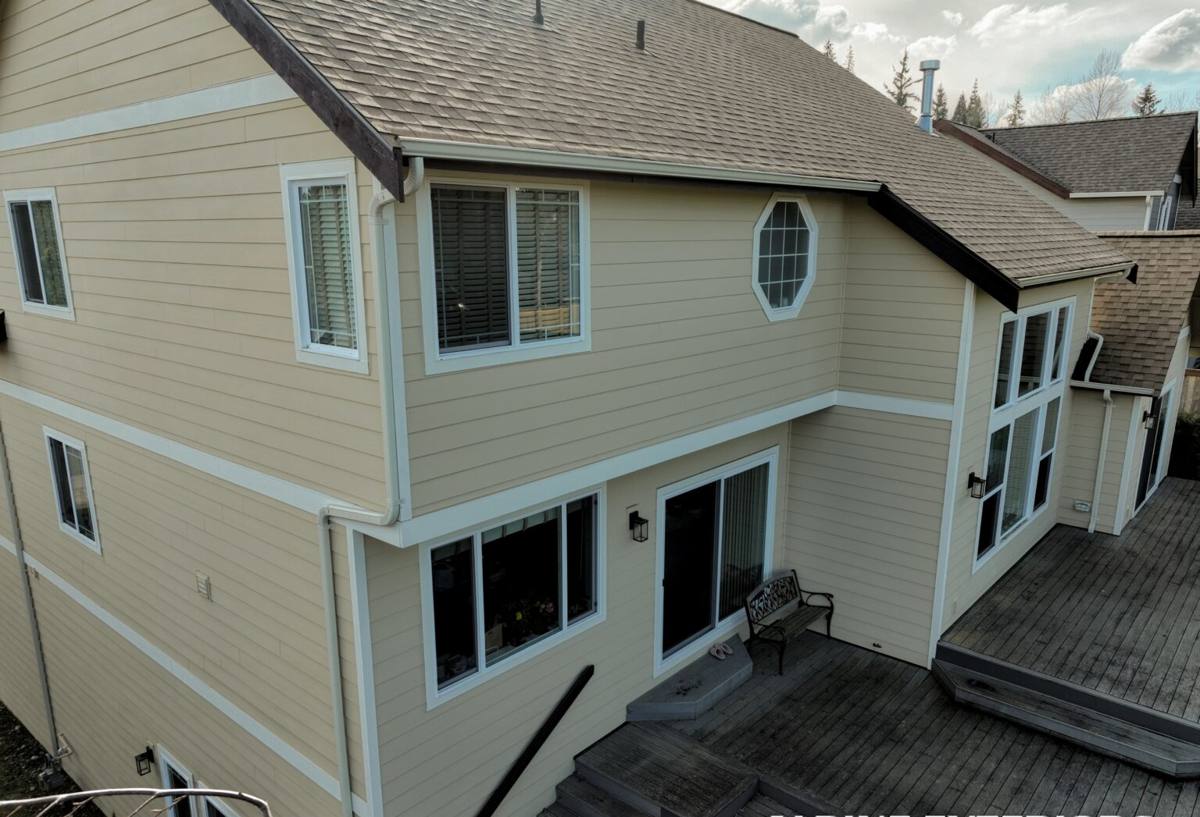
What Pinellas County Weather Does to Windows
St. Petersburg sits on a peninsula, and that location is exactly what makes window performance a bigger deal here than in most of the country. Four things do most of the damage over time:
UV Exposure
Florida gets strong, direct sun nearly year-round. UV breaks down vinyl frames, dries out old glazing putty and weatherstripping, and fades interior floors and furniture through low-quality glass. Frames that aren't UV-stabilized chalk, warp, or discolor years before they should.
Salt Air Corrosion
Being close to Tampa Bay and the Gulf means salt-laden air travels further inland than people expect. It attacks unprotected aluminum hardware, screws, and cheap fasteners, causing pitting and corrosion that jams locks and rollers well before the glass itself fails.
Wind-Driven Rain
Tropical downpours in this area don't fall straight down — wind pushes rain sideways into any gap in flashing, sealant, or frame fit. Most of the "window leaks" we get called out for in this neighborhood trace back to installation and flashing details, not the glass itself.
Hurricane-Force Wind Loads
Pinellas County is in Florida's wind-borne debris region, meaning windows have to be rated to survive both sustained wind pressure and impact from flying debris during a storm. A window that isn't rated for local wind loads is a structural weak point in the whole house envelope.
Custom-Fit vs. Off-the-Shelf: Why It Matters Here
A lot of the housing stock in Childs Park, like much of south St. Petersburg, includes homes built well before modern standardized window sizing. Openings can be a half-inch or more off from today's stock dimensions, walls may have settled slightly over decades, and older stucco or wood trim details aren't always symmetrical from window to window.
When a crew forces a stock-size replacement into an opening that doesn't match, they either oversize the gap and pack it with excess shim and sealant (a future leak point) or trim the opening itself, which can compromise the header or framing. Custom sizing avoids both problems by building the window to the opening instead of the other way around.
Impact-Rated Glass vs. Standard Glass with Shutters
Homeowners in this area generally choose between two approaches to storm protection, and both are legitimate — the right one depends on budget, how the home is used, and personal preference.
| Factor | Impact-Rated Windows | Standard Glass + Shutters |
|---|---|---|
| Storm prep | None needed — always ready | Shutters must be installed before each storm |
| Upfront cost | Higher per window | Lower window cost, added shutter cost |
| Daily use | Normal windows, no visible difference | Shutters may block light/view when deployed |
| Noise/UV reduction | Laminated glass cuts both year-round | No day-to-day benefit unless shutters are up |
| Insurance credit potential | Often qualifies for wind mitigation credits | Depends on shutter type and rating |
| Break-in resistance | Laminated glass resists forced entry | Only when shutters are deployed |
We'll walk through both options honestly during an estimate rather than pushing whichever is more profitable for us. Some homeowners want the "set it and forget it" simplicity of impact glass; others are fine managing shutters for a lower upfront cost.
Frame and Glass Choices That Hold Up Locally
Not every window material handles this climate the same way. A few honest trade-offs worth knowing before you pick:
- Vinyl: Budget-friendly and won't corrode, but lower-grade vinyl can warp under sustained heat — we only use UV-stabilized formulations for this reason.
- Aluminum: Strong and slim-profile, but needs a quality finish to resist salt-air corrosion over time; bare or poorly coated aluminum will pit near the coast.
- Fiberglass: Dimensionally stable in heat and resists corrosion well, generally at a higher price point.
- Wood and wood-clad: Attractive for older or historic-style homes, but requires more maintenance in humid climates — we're upfront that this is a higher-upkeep choice here, not a flaw in any one product, just a maintenance reality of the material in Florida humidity.
- Glass package: Low-E coatings cut heat gain and UV fading; laminated glass adds impact resistance and sound dampening. For this area, we rarely recommend single-pane, uncoated glass regardless of frame material.
Florida Building Code, Permits, and Wind Ratings
Pinellas County is not part of Florida's High-Velocity Hurricane Zone (that designation applies to Miami-Dade and Broward), but it does fall within the state's wind-borne debris region, which still requires windows to meet specific wind pressure and impact standards under the Florida Building Code. Practically, that means:
- Replacement windows generally require a permit and inspection through the City of St. Petersburg or Pinellas County, depending on jurisdiction.
- Products must carry a valid Florida Product Approval or Miami-Dade NOA rating appropriate for the home's wind exposure.
- Egress requirements apply to bedroom windows — a custom replacement still has to meet minimum opening size for emergency exit.
- Older homes sometimes have header or framing conditions that need to be addressed before a new window can be properly installed and permitted.
Skipping the permit might save a little time, but it leaves you without an inspection record if there's ever a warranty, insurance, or resale question down the road.
How Our Custom Window Process Works
- On-site assessment: We measure every opening individually, check framing condition, and note any settling, rot, or non-standard sizing.
- Product selection: We go over frame material, glass package, and impact vs. shutter options based on your home, budget, and how you use the space.
- Custom order or fabrication: Windows are built or ordered to the exact measured openings, not rounded to the nearest stock size.
- Permitting: We handle the permit application and coordinate the required inspections with the local building department.
- Removal and installation: Old units are removed carefully to protect surrounding trim and stucco or siding, then the new windows are set, shimmed, flashed, and sealed to manufacturer specs.
- Final inspection and walkthrough: We confirm proper operation, weathertight seals, and clean up the job site before we consider it done.
What Custom Windows Typically Cost
Pricing varies a lot based on size, material, glass package, and how many openings are involved. Rather than quote a single number that won't apply to your house, here's what actually drives the cost:
| Cost Factor | Why It Matters |
|---|---|
| Frame material | Vinyl is typically the most affordable; fiberglass and wood-clad cost more |
| Impact-rated vs. standard glass | Impact glass adds cost per unit but removes the need for shutters |
| Opening condition | Rot, settling, or out-of-square framing adds labor to correct before install |
| Number of windows | Whole-house replacement usually lowers the per-unit cost versus one-off jobs |
| Size and shape | Oversized, arched, or non-rectangular openings require more custom fabrication |
| Permit and inspection fees | Set by the local jurisdiction, generally a modest add to the overall project |
We give a written, itemized estimate before any work starts so you know exactly what you're paying for and why.
Why a Crew That Already Works in Childs Park Makes a Difference
Window work in this part of St. Petersburg isn't the same as window work in a newer, inland subdivision. A crew that's already worked in Childs Park and the surrounding Pinellas County neighborhoods knows what to expect from the area's older framing, understands which wind exposure category applies to this part of the county, and has an existing relationship with the local building department that keeps permitting moving instead of stalling. That local familiarity also means faster response if a storm-damaged window needs emergency board-up or repair before a full replacement can be scheduled.
Just as important: we stand behind the work with a real warranty and we're still a local business when you need us next — not a crew that installed once and left the county.
Keeping Your New Windows Performing
Custom, properly installed windows still need basic upkeep in this climate to get their full service life:
- Rinse frames and hardware periodically to clear salt residue, especially on homes closer to the water.
- Check and re-lubricate locks and rollers if they start to feel stiff — a sign of early corrosion.
- Inspect exterior caulking and sealant once a year, ideally before hurricane season, and before/after major storms.
- Clean weep holes on the exterior track so wind-driven rain can drain instead of pooling.
- Don't paint over vinyl or composite frames — it traps heat and can void a manufacturer's warranty.
If you're weighing custom windows for a Childs Park home, we're happy to take a look, measure your actual openings, and walk you through honest options for your budget and your house — no pressure, no obligation. Fill out the form below to schedule a free estimate.