 St. Petersburg Roofing
 Why Bartlett Park Decks Wear Out Faster Than You'd Expect
A deck in Bartlett Park doesn't age the way a deck does in most of the country. Like the rest of St. Petersburg, this neighborhood sits within a few miles of Tampa Bay and the Gulf, which means salt-laden air is a daily presence even when there's no storm in the forecast. Salt air corrodes metal fasteners and connectors from the inside out, long before the wood or decking on top shows any obvious damage. Add in Florida's intense, near year-round UV exposure, which breaks down wood fibers and degrades many finishes faster than manufacturers' warranties assume, and you have a structure that's under constant, low-grade attack.
Then there's the water. Pinellas County gets both routine afternoon downpours and, during hurricane season, wind-driven rain that gets pushed sideways into joints, under railings, and into end grain that a vertical rain would never reach. Many of the decks we're asked to look at in Bartlett Park are attached to older, established homes, and the original framing often wasn't built with today's fastener standards or flashing details. That combination — age, salt, sun, and sideways rain — is exactly why decks here need replacement sooner than a homeowner moving from a drier or cooler climate would expect.
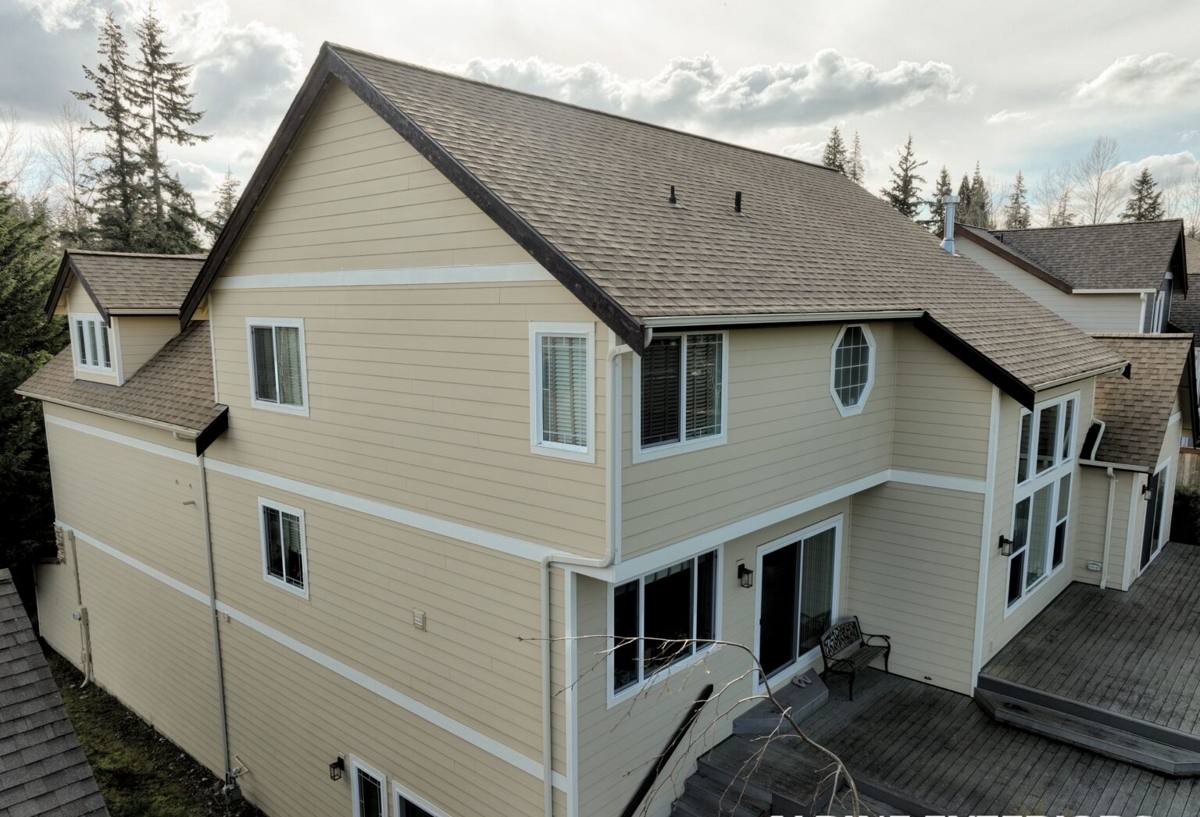
Signs You Need Replacement, Not Just Repair
Not every tired-looking deck needs to come out. But there's a point where patching boards is just delaying a bigger problem, and spending money on cosmetic fixes over a failing structure is money wasted. Here's what tells us a deck has crossed that line:
- Soft, spongy, or spring-feeling spots when you walk across the surface
- Visible rot, splitting, or delamination at the ledger board (where the deck attaches to the house)
- Rust streaks or corrosion around bolts, joist hangers, or post bases
- Railings or stair stringers that wobble or flex under normal use
- Gaps that have widened significantly between boards, or boards that cup and hold standing water
- Posts that are undersized, unbraced, or not properly anchored to footings
- A deck that was never permitted or inspected when it was originally built
If you're seeing more than one or two of these, especially anything at the ledger board or support posts, that's a structural conversation, not a cosmetic one.
What a Correct Deck Replacement Actually Involves
A real replacement isn't just tearing off old boards and screwing down new ones over the same frame. The framing is where almost every long-term failure starts, so it's where a proper job spends the most attention. That means evaluating the ledger connection to the house (and re-flashing it correctly so water can't get behind the siding or into the rim joist), checking every post for rot and proper footing depth, confirming joist spacing is adequate for the new decking material, and replacing any hardware that shows corrosion rather than reusing it because it "still looks okay." In a climate like ours, hardware that looks fine on the surface can already be compromised underneath a rust film.
We also look at how the structure ties back to the house and how it's anchored against wind uplift. Florida's building code takes wind load seriously for a reason, and a deck built to code standards from twenty or thirty years ago may not meet what's required for a permitted replacement today.
Choosing a Decking Material for This Climate
The decking surface is the part everyone sees, but the material decision matters just as much for how the deck performs in salt air and sun as it does for looks. There's no single "best" material for every homeowner — it comes down to budget, maintenance tolerance, and how long you want the deck to last before you're doing anything to it again.
Pressure-Treated Wood
Still the lowest up-front cost, and it can perform well here if it's properly sealed and re-sealed on a regular schedule. The trade-off is maintenance: UV exposure and humidity mean a wood deck in St. Petersburg needs cleaning and re-sealing far more often than the same wood would inland or up north, and skipping that maintenance is what leads to the splitting and graying homeowners complain about.
Composite Decking
Capped composite boards resist fading, moisture absorption, and splintering much better than wood, with little to no sealing required. It costs more up front but generally costs less in upkeep over the life of the deck. Not all composite is equal — cheaper, uncapped composite from years past had real moisture and mold issues in humid climates, which is part of why we're selective about which composite products we install.
PVC Decking
Fully synthetic PVC decking contains no wood fiber at all, so it's the most resistant option to moisture, mold, and insect damage — a real advantage in a humid Gulf Coast climate. It typically costs more than composite and can flex more than wood between supports if joist spacing isn't tightened up to match the manufacturer's spec, which is a detail that gets missed when a crew treats it like a standard wood installation.
| Material | Upfront Cost | Maintenance | How It Handles Salt Air & UV |
|---|---|---|---|
| Pressure-treated wood | Lowest | Regular cleaning & re-sealing | Fair — needs consistent upkeep |
| Capped composite | Moderate | Occasional washing | Good |
| PVC | Highest | Minimal | Best resistance to moisture & mold |
Permits, Wind Load, and Florida Building Code
St. Petersburg, like the rest of Pinellas County, requires a permit for deck replacement in almost every case, and for good reason — the framing, footings, and railing details all have to meet current wind-load and life-safety requirements, not just look sturdy. This includes proper guardrail height and baluster spacing, stair rise and run, footing depth appropriate for our soil, and hardware rated for the connections being made. Skipping the permit might save time up front, but it can create real problems later: at resale, with insurance claims after storm damage, or if the work has to be opened back up for an unrelated repair. A permitted job also means an independent inspector is verifying the structural work, which is a level of accountability an unpermitted deck simply doesn't have.
Our Deck Replacement Process
- On-site evaluation. We inspect the existing structure from the ledger board down to the footings, note what's salvageable versus what has to go, and talk through material options based on your budget and how you use the space.
- Design and permit prep. We put together the plan needed for a St. Petersburg building permit, including framing layout, footing details, and railing specs.
- Demolition. The old deck comes out, including any hidden rot in the ledger or rim joist that wasn't visible from the surface, and debris is hauled off the property.
- Framing and structure. New or reinforced posts, footings, joists, and a properly flashed ledger connection go in first, built to current code, not just to match what was there before.
- Decking and railings. Your chosen decking material and railing system are installed with corrosion-resistant fasteners appropriate for coastal exposure.
- Inspection and walkthrough. The work goes through the required city inspection, and we walk the finished deck with you before we consider the job done.
Hardware and Hidden Details That Separate a Deck That Lasts From One That Doesn't
Most deck failures in a climate like this don't start with the visible boards — they start with the fasteners and flashing nobody sees until something goes wrong. We use stainless steel or heavily coated, corrosion-rated fasteners and connectors throughout, not standard galvanized hardware that can start rusting within a few seasons of salt air exposure. We also install joist tape over the top of framing lumber to keep moisture from wicking into the wood through screw holes, and we flash the ledger board connection properly so water is directed away from the house rather than trapped against the rim joist. These are the details that don't show up in a walkthrough the day the deck is finished, but they're exactly what determines whether it's still solid in ten years or needs work again in three.
Keeping Your New Deck Ahead of the Weather
Even the best-built deck benefits from a little seasonal attention in this climate. A short annual routine goes a long way:
- Rinse off salt residue and debris after storms or high-wind events
- Check railings and stair connections for any looseness once or twice a year
- Keep gutters and downspouts clear so runoff isn't dumping extra water onto the deck
- Re-seal wood decking on the schedule recommended for your specific product — don't wait until it looks dry and gray
- Clean composite or PVC boards with mild soap and water to prevent mildew buildup in shaded areas
What Drives the Cost of a Deck Replacement
Every deck is different, but the same handful of factors tend to move the price up or down. Rather than quoting a number that doesn't mean much without seeing your deck, here's what actually drives the cost:
| Cost Factor | Why It Matters |
|---|---|
| Size and layout | Square footage, multiple levels, and stair count all add material and labor |
| Decking material | Wood, composite, and PVC span a wide cost range, as shown above |
| Structural condition | Rotted framing, undersized posts, or a compromised ledger add repair scope beyond surface replacement |
| Railing style | Standard baluster railing costs less than cable, glass, or custom designs |
| Permit and inspection fees | Set by the City of St. Petersburg and required for a compliant, insurable replacement |
| Site access and demolition | Tight side yards or elevated decks can add labor time for removal and disposal |
As a very general range, straightforward deck replacements often land somewhere between $30 and $75 per square foot depending on material and how much structural work is needed — but the only way to know what your project actually costs is a proper on-site look.
Why Local Experience in Bartlett Park Matters
A deck contractor who mostly works other parts of the state, or comes in from farther away, doesn't always account for what south St. Petersburg's climate and older housing stock actually demand. A crew that already works in and around Bartlett Park knows what the ledger connections on homes of this age typically look like before we even open them up, understands how the City of St. Petersburg's permitting and inspection process runs, and has already made the fastener, flashing, and material decisions that hold up against this specific combination of salt air, UV, humidity, and hurricane-season wind. That local pattern recognition is the difference between a deck that's guessed at and one that's built for exactly the conditions it has to survive in Pinellas County.
If your Bartlett Park deck is showing its age, or you're just not sure whether it needs repair or full replacement, we're happy to take a look and give you a straightforward, no-pressure estimate — no hard sell, just an honest read on what your deck actually needs. Fill out the form below to get started.