 St. Petersburg Roofing
 Windows Built for Pinellas County's Weather
Disston Heights is one of St. Petersburg's older, established residential neighborhoods, and a lot of the housing stock reflects that — mid-century ranch homes and additions from several different decades, many still carrying original or first-generation replacement windows. Those windows were built for a different set of expectations. Today's expectations, set by Pinellas County's building code and by the weather itself, are considerably higher.
A window in this part of Florida has to do more than let light in and keep bugs out. It has to survive hurricane-force wind loads and the debris that comes with them, shrug off wind-driven rain that gets pushed sideways into the wall assembly, tolerate intense UV exposure nearly every day of the year without the frame chalking or the seals breaking down early, and resist the slow corrosion that salt-laden air causes on hardware and metal components even a few miles from open water. Any one of those stresses will eventually find a weak window. Combined, they shorten the lifespan of a poorly installed or outdated unit considerably faster than homeowners expect.
That's the backdrop for every window installation we do in this neighborhood. The product matters, but the installation matters just as much — a well-built window that's flashed or sealed incorrectly will still leak, and a mediocre window installed correctly will usually outperform expectations. We try to get both right.
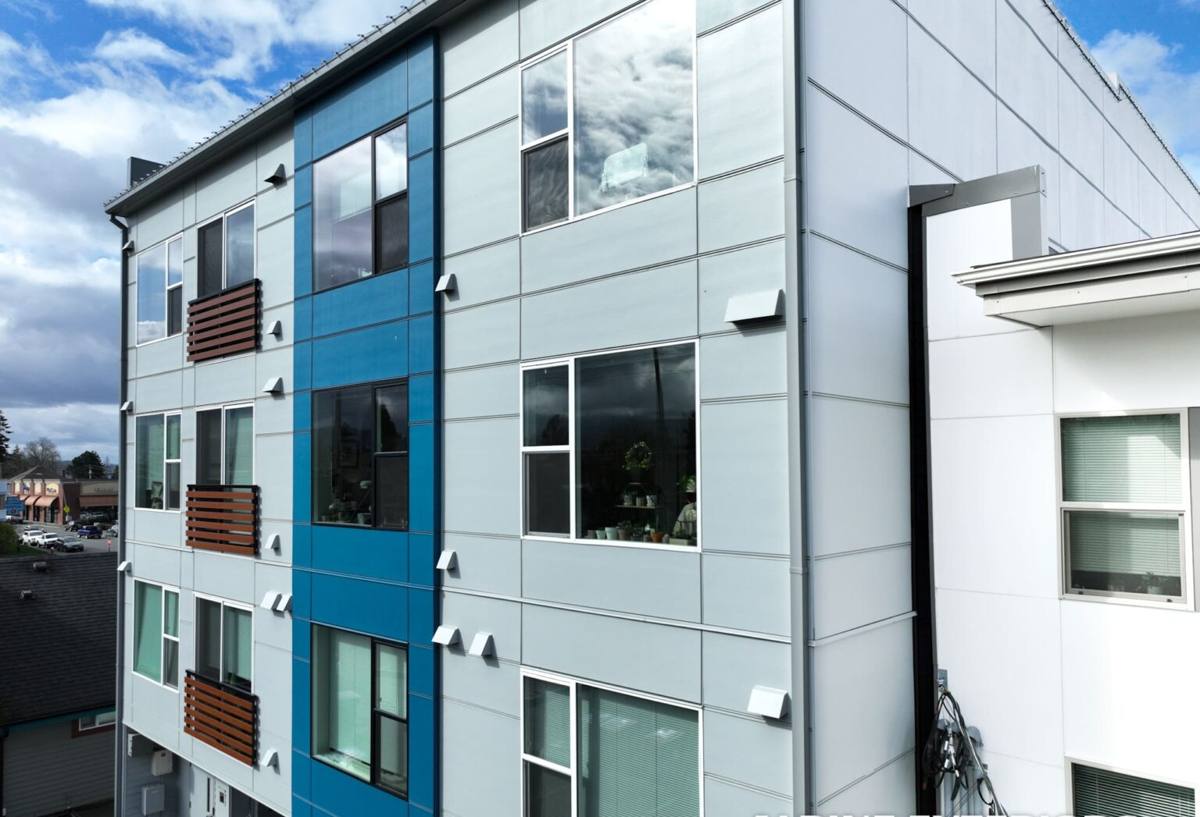
Is It Time for New Windows in Disston Heights?
Homeowners usually call us for one of two reasons: something is visibly failing, or they're planning ahead of hurricane season and want windows that meet current wind-load standards. Both are valid reasons to start the conversation. Signs worth paying attention to include:
- Fogging or a hazy film between the panes of a double-pane window — a sign the seal has failed and the insulating gas has escaped
- Windows that are difficult to open, close, or lock, or that no longer sit flush in the frame
- Visible gaps, soft or discolored wood around the frame, or peeling paint near the sill
- A noticeable draft, a spike in cooling costs, or condensation on the interior glass during humid stretches
- Aluminum frames that are pitting, chalking, or showing corrosion, especially on hardware
- Single-pane or non-impact-rated windows in a home that hasn't been updated since before current wind-load requirements were adopted
None of these on their own means a window has to be replaced immediately, but in combination — or on a home where several windows are showing the same wear — it's usually more cost-effective to plan a coordinated replacement than to keep patching individual units as they fail.
What a Correct Window Installation Actually Involves
Most window problems we get called out to fix in this area aren't caused by a bad window — they're caused by a rushed or incomplete installation. A correct job involves several steps that don't show up in a sales brochure but make the difference over time:
Removing and Inspecting the Opening
Once the old window is out, we check the rough opening for rot, moisture damage, or movement in the framing before anything new goes in. Installing a new window over a compromised opening just hides the problem behind new trim.
Flashing and Weatherproofing
Every opening gets properly flashed and sealed to shed water outward, not trap it behind the frame. This step is what actually keeps wind-driven rain out during a storm — the window itself is only part of the water management system.
Leveling, Shimming, and Fastening
A window that isn't perfectly plumb and square will bind, leak at the corners, or stress the frame over time. We shim and fasten to the manufacturer's specification, not a shortcut version of it, because that's what the wind-load rating actually depends on.
Sealing and Finishing
Interior and exterior sealant, insulation around the frame gap, and finish trim all get done as a full system rather than an afterthought. A window that's sealed correctly on day one won't need a caulk gun revisit two summers later.
Impact-Rated Windows vs. Standard Windows
One of the most common questions we get from Disston Heights homeowners is whether they need impact-rated windows or whether standard windows with separate hurricane shutters are enough. Both are legitimate approaches, and the right one depends on the home, the budget, and how much day-to-day convenience matters to you.
| Factor | Impact-Rated Windows | Standard Windows + Shutters |
|---|---|---|
| Storm protection | Built into the window; no action needed before a storm | Effective, but shutters must be installed or deployed each time |
| Day-to-day appearance | Clean sightlines year-round, no visible hardware | Shutters or panels are visible when stored or deployed |
| Upfront cost | Higher per window | Lower window cost, but shutters add their own expense |
| UV and noise performance | Laminated glass also cuts UV transmission and outside noise | Standard glass; no added UV or noise benefit |
| Maintenance | Minimal; no separate system to store or maintain | Shutters need periodic maintenance and storage space |
| Insurance considerations | May qualify for wind-mitigation credits | Can also qualify, depending on shutter type and documentation |
We'll walk through both options honestly during an estimate. Neither is a wrong choice — it comes down to whether you'd rather pay more once and never think about storm prep again, or manage a shutter system every season.
Permits, Wind Zones, and Florida Building Code
Window replacement in St. Petersburg isn't a grab-a-window-off-the-shelf project. Pinellas County falls within Florida's High-Velocity Hurricane Zone design considerations, and window installations are permitted work that has to meet current wind-load and product-approval requirements. That means the window itself has to carry the correct Florida Product Approval or Miami-Dade Notice of Acceptance rating for its location and exposure, and the installation has to be inspected and signed off.
We handle the permitting and inspection process as part of the job. This isn't paperwork for its own sake — it's what protects you if you ever file an insurance claim, sell the home, or need to prove the work was done to code. Skipping the permit to save time is one of the more common mistakes we see from past DIY or unlicensed work, and it almost always surfaces later as a problem during a home sale or insurance review.
Choosing the Right Frame and Glass for This Climate
Frame material and glass package both affect how a window holds up here, not just how it looks.
Frame Materials
Vinyl frames resist corrosion entirely, which is an advantage in a salt-air environment, and modern vinyl formulations hold up well against UV without excessive fading or brittleness. Aluminum frames are strong and slim-profile but need a quality finish to resist pitting near the coast. Wood-clad options offer a traditional look but require more upkeep in humid, high-UV conditions. We'll recommend what fits your home's style and your appetite for long-term maintenance rather than pushing one material for every house.
Glass and Glazing
Low-E coatings reduce heat gain, which matters for cooling costs given how much direct sun this area gets most of the year. Laminated glass in impact-rated units adds a layer of UV filtering on top of storm protection. Double-pane construction with a properly sealed spacer is the baseline we recommend for any window facing sustained sun and humidity swings.
Our Installation Process
- On-site assessment — we measure openings, check framing condition, and discuss which frame, glass, and rating make sense for your home
- Written estimate — a clear breakdown of product, labor, and permitting, with no vague allowances
- Permitting — we pull the required permit before work begins and schedule inspections as needed
- Removal and prep — old windows come out carefully, and the opening is inspected and repaired if needed before the new unit goes in
- Installation — flashing, leveling, fastening, and sealing done to manufacturer and code specification
- Final walkthrough — we check operation, seals, and finish work with you before calling the job done
Why Local Experience in Disston Heights Matters
A crew that regularly works in this neighborhood already understands the age and construction of the homes here, knows what the local permitting process expects, and has seen how these specific window products perform once a real Gulf Coast summer and hurricane season hit them. That's different from a crew working from a generic install guide with no context for St. Petersburg's climate or Pinellas County's requirements.
If you're comparing contractors for a window project, a few questions tend to separate the ones worth hiring from the ones worth skipping:
- Are they licensed and insured to do window installation work in Florida, and can they provide proof?
- Will they pull the permit themselves, or expect you to handle it?
- Do they explain product approval ratings, or just quote a brand name?
- Do they give you a written, itemized estimate rather than a vague verbal number?
- Can they explain their flashing and sealing process specifically, not just "we install windows"?
- Do they have experience with homes of a similar age and construction to yours?
A contractor who answers those questions plainly, without dodging, is usually one who does the work the right way whether or not you'd have known the difference.
Get a Free Estimate
If you're weighing window replacement for a home in Disston Heights — whether it's one failing window or a full-house update ahead of hurricane season — we're glad to take a look and give you an honest, no-pressure estimate. Use the form below to get started.