 St. Petersburg Roofing
 Siding Repair Built for Historic Kenwood's Older Homes
Historic Kenwood is one of St. Petersburg's older, more character-driven neighborhoods, with a mix of 1920s-era bungalow-style homes and later mid-century construction packed onto narrow, tree-shaded lots. That combination — older wall assemblies, mature landscaping, and homes sitting close to their neighbors — changes what a "simple" siding repair actually involves compared to a newer subdivision. Original wood siding, older wood-based composite panels, and vinyl retrofits from past decades are all common here, sometimes on the same house, and each one fails differently. A repair crew that doesn't slow down to figure out what's actually on the wall before pulling boards can do more harm than good on a house this old.
This page covers siding repair specifically for Historic Kenwood: what the Pinellas County climate does to siding on homes of this age, what a repair should actually include, and why using a crew that already understands this neighborhood's housing stock matters more here than in a newer part of town.
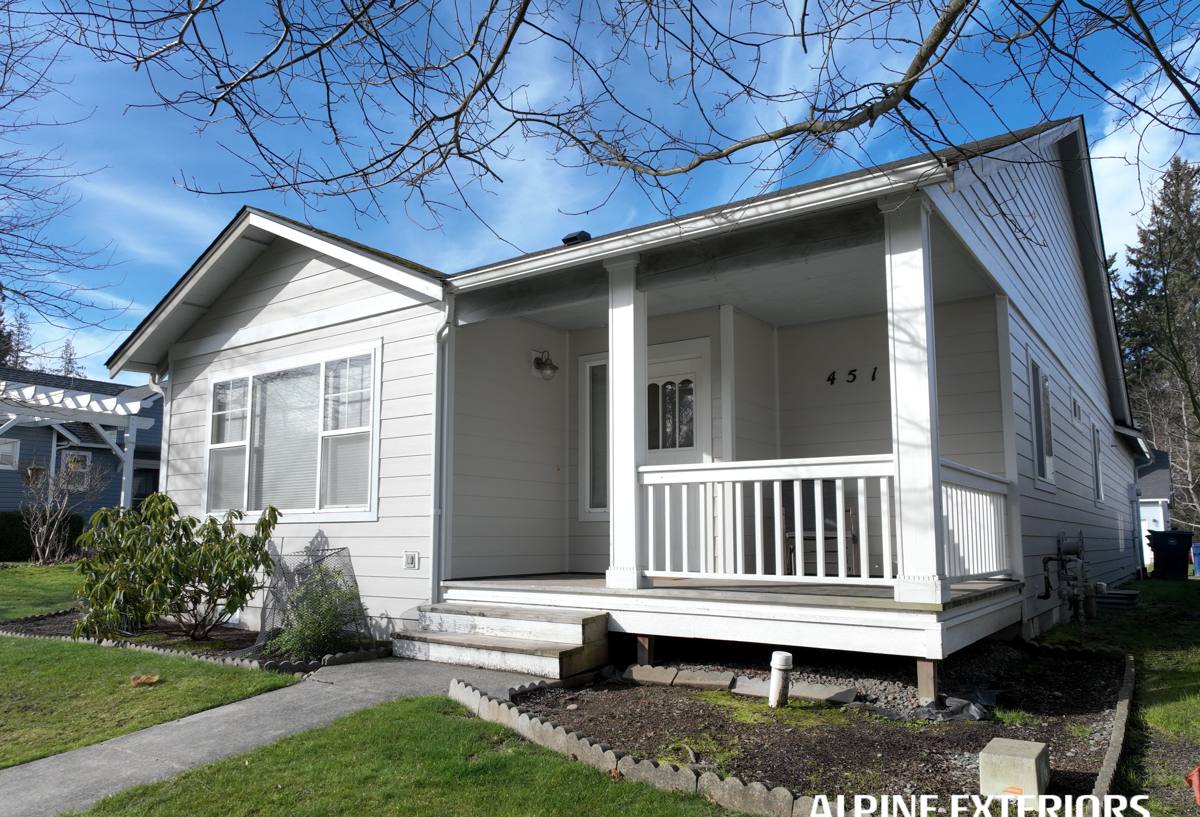
What Gulf Coast Weather Does to Siding Here
St. Petersburg sits on a peninsula, which means every home in Historic Kenwood takes on the full range of what Gulf Coast weather can throw at a wall. A few specific stresses show up in repair calls over and over:
- Hurricane-force wind: Wind doesn't just tear siding off in a storm — repeated wind loading over years works fasteners loose, flexes panels at the edges, and opens hairline gaps at joints that let water in long before anything looks visibly damaged.
- Wind-driven rain: Because storms here rarely come straight down, rain gets pushed sideways into laps, corners, and trim intersections that were never designed to shed water from that angle. This is where rot and hidden moisture damage almost always start.
- Intense, near-constant UV: Florida sun is harder on painted and coated surfaces than in most of the country. Older paint jobs chalk, fade, and crack years ahead of schedule, and once the protective coating is compromised, whatever is underneath — wood, composite, or vinyl — starts absorbing moisture and heat it wasn't built to handle.
- Salt air: St. Petersburg's proximity to the water means airborne salt settles on exterior surfaces continuously, not just near the immediate coastline. Salt accelerates corrosion on fasteners and metal trim and speeds up the breakdown of caulk and paint film.
None of these forces are unique to Kenwood, but they hit older siding assemblies harder because the materials, fasteners, and installation methods from decades ago weren't engineered with today's understanding of Florida's climate.
Common Repair Issues We See on Kenwood Homes
Wood and Older Composite Siding
Homes with original or early-replacement wood siding commonly show soft, rotted boards at the bottom courses, near roof-to-wall transitions, and around window and door trim — anywhere water has repeated opportunities to sit against the wood. Insect damage often travels with rot, since softened wood is easier for pests to work into. Old caulk joints crack and separate, and paint failure is usually the first visible warning sign that moisture has already gotten underneath.
Vinyl Retrofits
Where vinyl siding was added over original wood siding in a past renovation, we typically find warping and buckling from heat exposure, panels that have pulled loose or cracked in high wind, and — more importantly — no way to tell what's happening to the wall behind it until a panel is opened up. Vinyl hides moisture problems rather than preventing them, which is a real concern on a house this age.
Fiber Cement (Hardie) Already on the Home
On homes that already have fiber cement siding, repair needs are usually more limited: impact damage from storm debris, caulk joints that need to be redone, or a section that was installed without proper clearance from grade or roofing and has started absorbing water at the bottom edge. These repairs are typically more contained because the material itself resists rot, insects, and UV breakdown far better than what it usually replaces.
Repair or Replace? How We Make the Call
Not every damaged section needs a full re-side, and we're not going to sell a Kenwood homeowner a whole-house job when a targeted repair will hold up. The decision usually comes down to how much of the wall is actually compromised and what's causing the damage.
| Situation | Repair Usually Makes Sense | Replacement Usually Makes Sense |
|---|---|---|
| Damage location | Isolated to one or two areas (impact, a bad joint, a single rotted section) | Spread across multiple walls or repeating at every course |
| Underlying structure | Sheathing and framing behind the damage are still sound | Sheathing shows rot, soft spots, or long-term water intrusion |
| Siding age and material | Fiber cement or sound wood siding with isolated failure | Original wood or old composite siding near or past its service life |
| Cause of damage | One-time event: storm impact, accidental damage, a failed caulk joint | Ongoing exposure problem: chronic moisture, poor original installation, systemic UV failure |
We won't know which category a home falls into until we actually open up the affected area and look at what's behind it. On a home with several decades of history, that step isn't optional — it's the difference between a repair that lasts and one that fails again in a year.
Cost Factors Homeowners Should Understand
| Factor | Why It Matters |
|---|---|
| Extent of hidden moisture damage | Rotted sheathing or framing found once boards come off adds scope beyond the visible siding repair |
| Matching existing material | Blending a repair into existing wood, vinyl, or fiber cement siding affects both material choice and finish work |
| Accessibility | Narrow side yards, mature trees, and close-set homes common in Kenwood can affect how a crew stages the work |
| Paint or finish matching | Older, sun-faded paint is harder to match than a factory-finished product, sometimes requiring a broader repaint |
What a Correct Siding Repair Actually Involves
A repair that's done right addresses the cause, not just the symptom. On every job, that means:
- Full removal of affected material — cutting back to solid, sound substrate rather than patching over a soft spot.
- Inspection of the wall behind it — checking sheathing, framing, and the house wrap or building paper for hidden water damage before anything new goes back up.
- Correcting the water path — flashing, drip edges, and clearances get fixed so the same failure doesn't happen again in the same spot.
- Matching profile and reveal — new material needs to align with the existing siding's exposure and lap so the repair doesn't stand out or create a new place for water to collect.
- Proper fastening — corrosion-resistant fasteners set correctly for the material and Florida's salt-air environment, not whatever was on hand.
- Sealing and finish work — fully cured, marine-grade caulk at joints and trim, and a finish that matches or blends acceptably with the surrounding wall.
Skipping any one of these steps is how a "repaired" wall ends up with the same rot two or three years later, just a few inches over from where it was before.
What We Repair With, and Why
When a repair calls for new siding material — whether it's a full board replacement or a patched section — we use James Hardie fiber cement. It's the only siding material we install, on repairs and full replacements alike, and that's a deliberate standard rather than a default. Fiber cement doesn't rot, doesn't feed insects, and holds up to intense UV without the chalking and cracking that shortens the life of painted wood siding in this climate. Where we're matching into existing Hardie siding with a factory ColorPlus finish, we can typically get a close, durable color match without relying on field-applied paint that will fade at a different rate than the rest of the wall.
We don't install vinyl, LP SmartSide, or other wood-based composite siding as repair material, even when it would be the closer match to what's already on a house. Vinyl expands and contracts significantly in Florida heat and doesn't perform well in sustained hurricane-force wind, and wood-based composites carry the same moisture-sensitivity concerns as the original wood siding they're often used to patch. Our position is that a repair should outlast the reason it was needed — patching a moisture problem with another moisture-sensitive material doesn't accomplish that.
Our Repair Process
- On-site inspection: We look at the damaged area and the surrounding wall, not just the spot the homeowner called about, since siding problems in coastal climates rarely stay isolated.
- Diagnosis before pricing: Where we suspect hidden moisture damage, we'll open up a small area to confirm what's happening behind the siding before quoting the scope of work.
- Clear scope and options: We explain what's a straightforward repair, what needs a larger section addressed, and what the honest trade-offs are — no upselling a full re-side that isn't needed.
- Repair and finish: Material removal, structural correction if needed, new fiber cement installed to match, and finish work completed to blend with the existing exterior.
- Final walkthrough: We review the completed repair with the homeowner before calling the job done.
Why It Matters to Hire a Crew That Works in Historic Kenwood
Repair work on an older Kenwood home isn't the same job as repair work on a house built in the last fifteen years, and a crew that mostly works newer construction can miss things that are specific to this neighborhood's housing stock. A few examples of what local experience changes:
- Recognizing older wall assemblies (board sheathing, older building paper types, non-standard stud spacing) that behave differently than modern construction once you open the wall up.
- Working carefully around mature trees, tight side-yard clearances, and homes set close to their neighbors — common on Kenwood's older lots — without damaging landscaping or encroaching on adjacent property.
- Being mindful of exterior appearance on homes that carry historic designation, where some homeowners want repairs that preserve the look of the original siding profile rather than defaulting to whatever's fastest to install.
- Knowing which failure patterns are common in this specific pocket of Pinellas County, based on repeated exposure to the same wind, rain, and salt conditions these homes have weathered for decades.
None of that shows up on an invoice, but it shows up in whether the repair actually holds.
Signs Your Siding Needs a Repair Call Now
- Soft or spongy spots when you press on the siding, especially near the bottom courses or below windows
- Paint that's bubbling, peeling, or chalking heavily in one specific area rather than evenly across the wall
- Visible gaps, cracks, or separated caulk at joints, corners, or trim
- Warped, buckled, or loose panels, particularly after a windy stretch of weather
- A musty smell or visible staining on interior walls that back up to an exterior wall
- Siding that was patched before and has started failing again in the same spot
If you're noticing any of these on a Historic Kenwood home, it's worth getting a professional look before the next round of Gulf Coast storms and summer humidity makes the problem bigger. We offer free, no-pressure estimates — an inspection costs you nothing, and you'll walk away knowing exactly what's going on with your siding and what it will take to fix it right.