 St. Petersburg Roofing
 New-Construction Windows in a Neighborhood Full of Older Homes
"New-construction windows" is a specific term in our trade, and it matters more in Historic Old Southeast than in most parts of St. Petersburg. It doesn't mean the window is new — it means the installation method is a full frame-out job: the old window and its nailing surface come out completely, the rough opening gets rebuilt and re-flashed, and the new window's nailing fin ties directly into the house wrap or building paper. That's different from a "replacement" or "insert" window, which drops a new sash package into the existing frame and leaves the old flashing in place.
In Historic Old Southeast, we do new-construction-style installs constantly on additions, rear-of-house rebuilds, garage conversions, and full renovations of the neighborhood's older bungalow and frame houses — plus on any new infill construction going up on a lot. Anytime the wall is opened up to the studs, doing the window the new-construction way is almost always the better long-term move, even if it costs more up front than a simple insert.
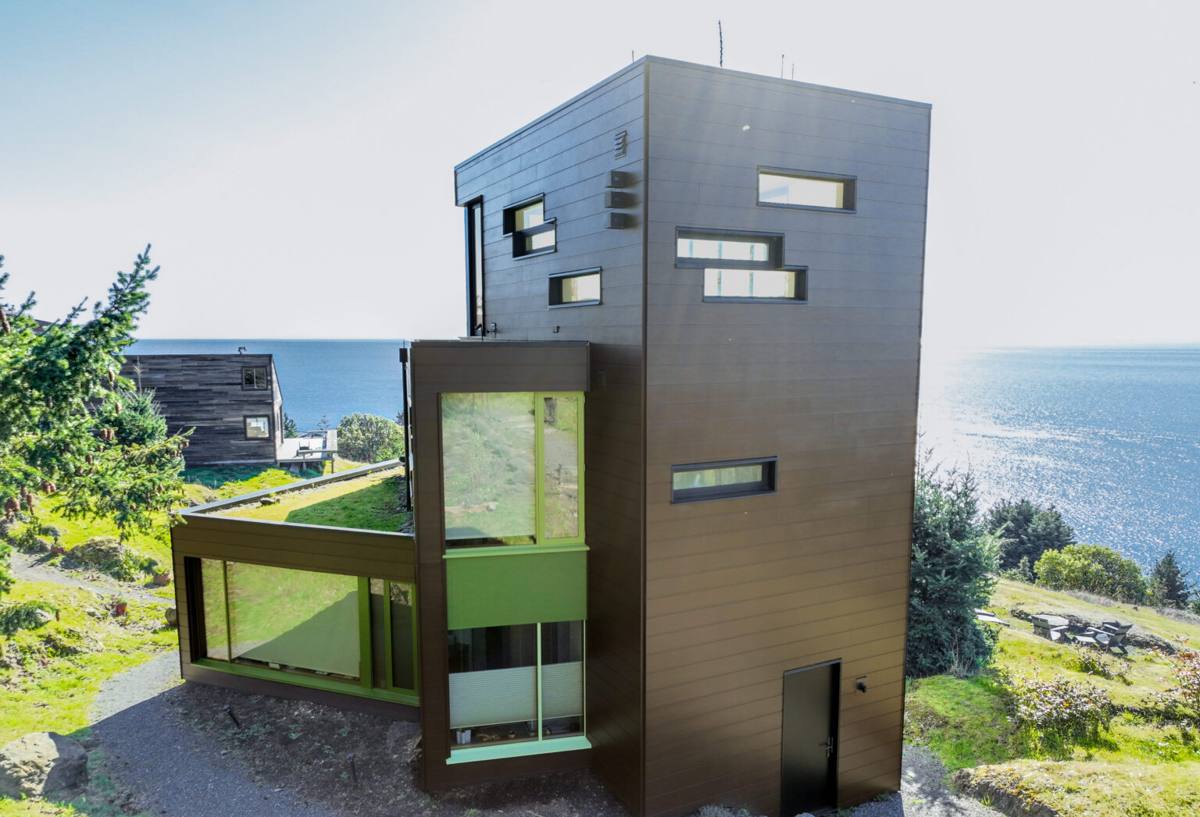
Why the Installation Method Matters More Here
Pinellas County sits on a peninsula, and Historic Old Southeast is close enough to open water that salt air, wind-driven rain, and hurricane-force wind gusts are a normal part of the weather here, not a once-a-decade event. A window that's air-sealed and flashed correctly the first time will handle that environment for decades. One that isn't will show it fast — through fogged glass from moisture intrusion, soft wood at the sill, or stains creeping down interior walls after a wind-driven storm.
What older wood-frame construction adds to the equation
Many of the homes in this part of St. Petersburg were framed well before modern window flashing details existed. When we open a wall on one of these houses, we're often working with rough openings that are out of square, sills with decades of moisture history, and stud spacing that doesn't match a modern window's fastening schedule. New-construction installation lets us correct all of that at the source instead of building a new window into an old problem.
What a Correct New-Construction Window Job Actually Involves
A lot of the value in this kind of installation is invisible once the trim goes back on. Here's what should happen at every rough opening, regardless of window brand or size:
- Old sash, frame, and fasteners removed down to the framing — not just the glass and sash
- Rough opening framing checked for level, square, and soundness; any soft or water-damaged wood replaced
- Sill pan flashing installed to direct any water that gets past the window back outside, not into the wall cavity
- Weather-resistant barrier integrated with the window flange using a proper shingle-lap sequence — sill first, then jambs, then head, so water always sheds outward and downward
- Window set, shimmed, and fastened per the manufacturer's schedule for the design pressure rating specified
- Low-expansion sealant and backer rod at the interior air seal, sized for the gap — not just a bead of caulk around the outside
- Exterior trim and stucco or siding tie-in finished to match the surrounding wall
Skip the sill pan or get the flashing lap order backwards, and the window can look perfect for a year or two before wind-driven rain finds the gap.
Wind, Code, and Product Approval in Pinellas County
New windows on any home in St. Petersburg have to meet Florida Building Code wind load requirements for this area, which means every unit installed needs a current Florida product approval or Miami-Dade NOA rating matched to the wall's design pressure. On a new-construction install, we calculate the required pressure rating based on the home's height, exposure, and location before ordering anything — a corner unit on a two-story addition near open exposure needs a different rating than a small window on a single-story interior wall.
Impact glass vs. shutters — an honest comparison
Homeowners in this neighborhood usually choose between laminated impact-rated glass (no separate shutters needed) or standard glass paired with code-compliant shutters or panels. Both meet code when installed correctly. Impact glass costs more per window but requires nothing extra during a storm and cuts outside noise and UV significantly. Shutters cost less per opening but mean you're deploying and storing panels or accordion track hardware every hurricane season, and every opening needs coverage or the whole system's protection is compromised.
Choosing Frame Materials for This Climate
Salt air and constant UV exposure are hard on window frames, and not every material ages the same way here. This is a case where the honest answer depends on budget, maintenance tolerance, and how close the home sits to open water.
| Frame Material | Salt Air / UV Behavior | Maintenance | Typical Fit |
|---|---|---|---|
| Vinyl | Good UV-stabilized resistance; can discolor over many years in intense sun | Low — no painting, occasional cleaning | Most budget-conscious new-construction jobs |
| Aluminum | Strong structurally but prone to corrosion near salt air unless properly coated | Moderate — watch for pitting or coating breakdown over time | Larger openings, modern-style additions |
| Fiberglass | Excellent dimensional stability, resists UV and salt exposure well | Low, but higher upfront cost | Homeowners planning to stay long-term |
| Wood-clad | Attractive but the most exposure-sensitive if cladding is ever breached | Highest — needs monitoring at joints and sills | Historic-character matches where appearance is the priority |
We don't push one material as universally "best." We'll tell you the honest trade-offs for your specific project — including where a cheaper frame will cost more in ten years of upkeep than a pricier one would have.
Matching the Character of an Older Neighborhood
Part of what makes Historic Old Southeast distinct is its mix of early-20th-century bungalow and frame-vernacular homes. When we're installing new-construction windows on an addition or a full rebuild here, we pay attention to sightlines, grille patterns, and proportions so the new openings read as part of the house rather than an obvious add-on. That's a design conversation we have with you up front, not something we decide for you.
Permitting on older homes
St. Petersburg has design review requirements that can apply in some of its historic neighborhoods. If your street or your home falls under any kind of architectural review, that can affect window style, grille pattern, or exterior color approval before permits are pulled. We handle the standard building permit process on every job; if your property is subject to additional design review, we'll flag it early so it doesn't hold up your project.
How Our Process Works
The steps are the same whether it's one window on an addition or a full house of new-construction units, but the amount of framing and flashing work scales with the project.
- Site visit and measurement — we assess the rough openings (existing or planned), wind exposure, and any framing issues before quoting anything
- Product and design pressure selection — matched to your wall's exposure category and your budget, with impact vs. shutter trade-offs explained plainly
- Permitting — we pull the required Pinellas County or City of St. Petersburg permits and handle inspections
- Framing and flashing prep — rough openings squared, sill pans set, WRB integration planned before a single window is unboxed
- Installation — set, shim, fasten, seal, and flash in sequence, per manufacturer specification and code
- Trim-out and final inspection — exterior finish tied into siding or stucco, interior trim completed, city inspection scheduled and passed
What This Costs — and What Drives the Price
New-construction window pricing runs a wide range because so much depends on the specifics of the opening, not just the window itself. As a broad guide, homeowners in this area are typically looking at somewhere in the $600 to $1,500+ per window installed range, with impact-rated glass, larger sizes, and extensive framing repair pushing toward the higher end.
| Cost Factor | Why It Matters |
|---|---|
| Impact glass vs. standard glass + shutters | Impact glass has a higher material cost but no ongoing storm-prep labor or hardware |
| Window size and count | Larger openings and full-house jobs carry economies of scale but higher total cost |
| Frame material | Vinyl, aluminum, fiberglass, and wood-clad carry different price points and lifespans |
| Rough opening condition | Rot, out-of-square framing, or old flashing failures on older homes add labor before the window even goes in |
| Design pressure requirement | Higher-exposure walls need heavier-rated (and pricier) units to meet code |
| Trim and exterior finish match | Matching existing stucco, siding, or historic-style trim adds finishing labor |
Living With New Windows in a Salt-Air, High-UV Climate
A correctly installed new-construction window in Pinellas County should need very little from you — but a small amount of upkeep goes a long way toward protecting the installation and the warranty.
- Rinse frames and hardware periodically, especially on homes within a mile or two of the bay or open water, to slow salt buildup
- Check exterior sealant joints once a year for cracking or separation, particularly after a busy storm season
- Keep an eye on weep holes at the sill so they stay clear of paint, caulk, or debris
- Operate locks and hardware a few times a year even on windows you rarely open, to keep mechanisms from seizing
- Have shutters or storm panels inspected before hurricane season if your windows rely on that system rather than impact glass
Why Local Experience in This Neighborhood Matters
Every new-construction window job is a little different, but working in Historic Old Southeast repeatedly means we already know the kind of framing conditions its older homes tend to hide, we're familiar with the local permitting process, and we're not guessing at wind exposure categories for this part of St. Petersburg — we're pulling from jobs we've actually done nearby. That familiarity shows up in fewer surprises mid-project and a finished window that's built for the wind, rain, and salt air this coastal county actually delivers, not a generic install pulled from a national playbook.
If you're planning an addition, a new build, or a full-frame window replacement in Historic Old Southeast, we're happy to walk the site, look at your existing openings, and give you a straight answer on what your project needs. Reach out for a free, no-pressure estimate using the form below.